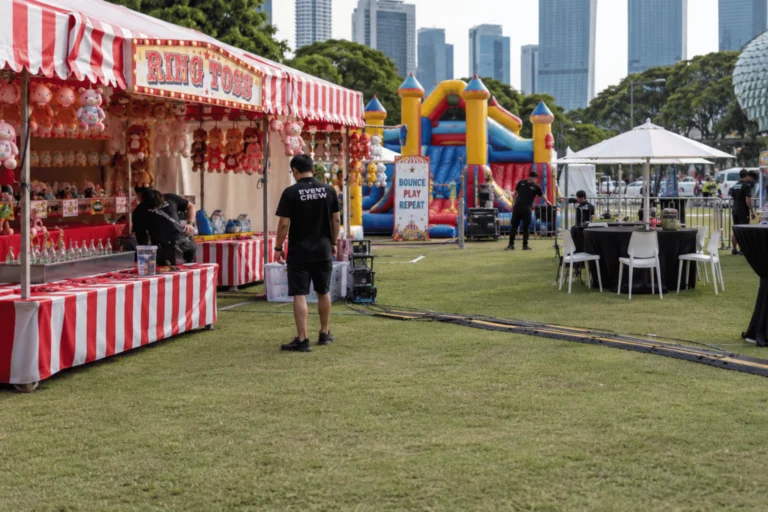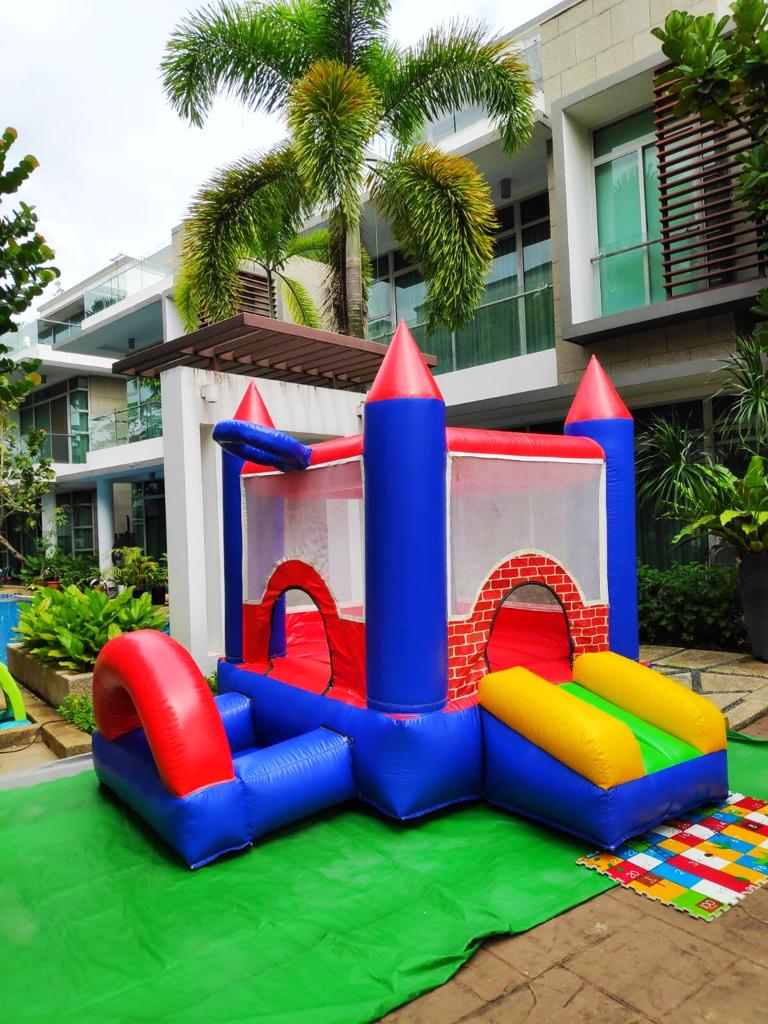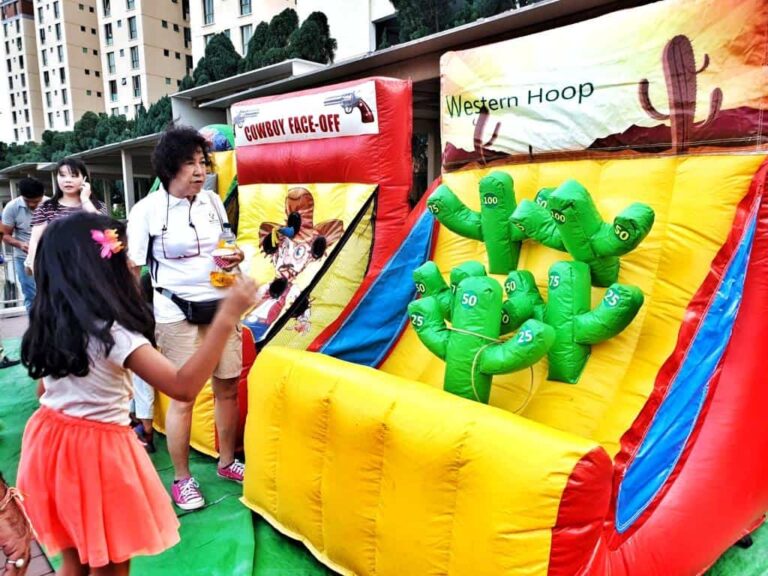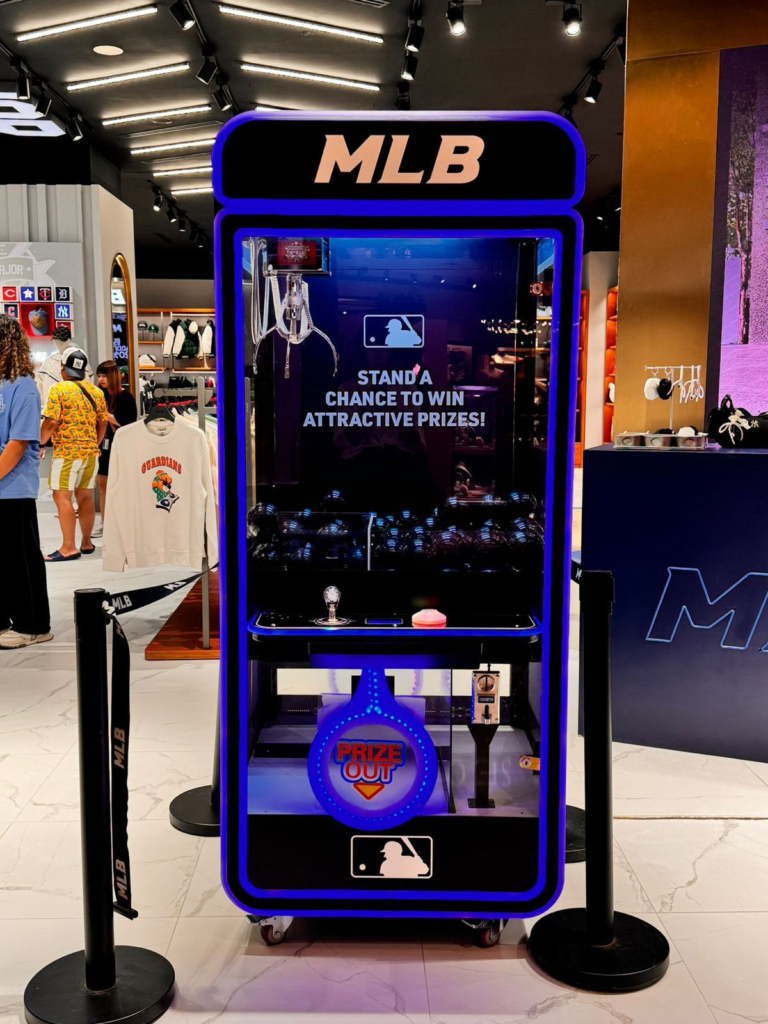
A great carnival isn’t just about having fun attractions. It’s about how everything is arranged. Poor layouts leads to long queues, overcrowding, and guests leaving early. A well-designed carnival layout keeps guests moving, engaged, and excited from start to finish.
Whether you are planning a corporate family day, school carnival, or community event in Singapore, these layout principles will help you create a smoother, more enjoyable experience.
Start with Clear Activity Zones
Divide your carnival into clear zones so guests intuitively know where to go.
Common zones include:
- Inflatable Zone – bouncy castles and obstacle courses
- Game Booth Zone – classic and interactive carnival games
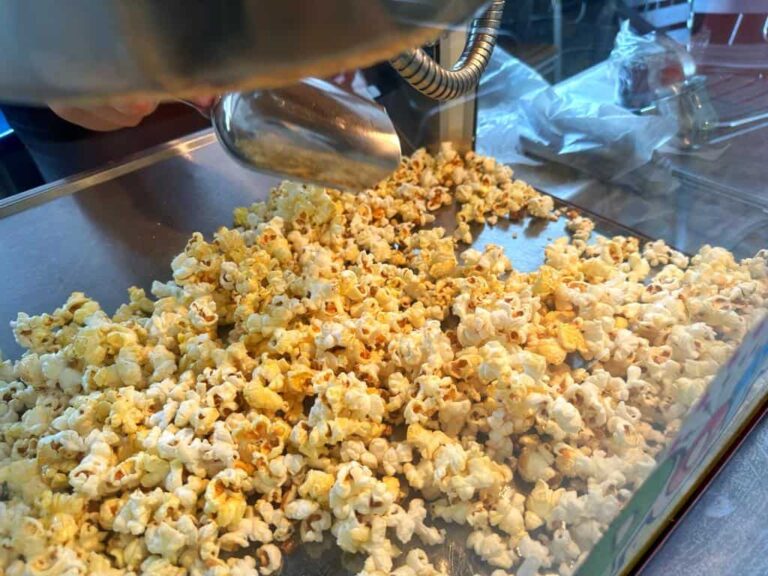
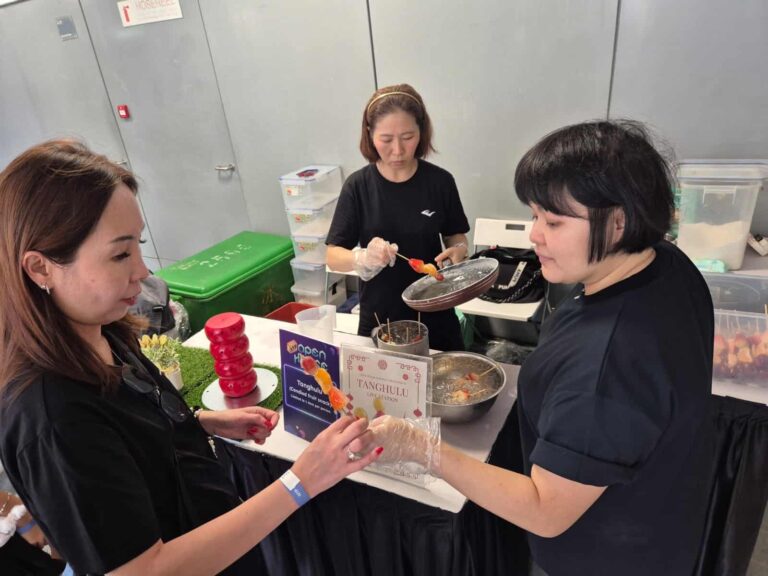
- Food Zone – live food stations and refreshments
- Feature Attraction Zones – claw machine, gachapon machine, photo booths


Zoning helps distribute crowds evenly and prevents everyone from gathering in one spot.
Place Crowd Pullers Strategically
Some attractions naturally draw more attention. Use them wisely!
- Place popular inflatables slightly deeper into the venue to encourage movement.
- Use visually striking machines (like customised claw or gachapon machines) as focal points
- Avoid placing all “must play” items right at the entrance.
This keeps guests exploring instead of clustering near the entry area.
Keep Walkways Wide and Clear
Crowded walkways are one of the fastest ways to frustrate guests.
- Allow space for queues without blocking walkways.
- Avoid placing equipment back to back.
- Ensure strollers, wheelchairs and staff can move easily.
Comfortable movement keeps guests relaxed and engaged longer.
Separate High-Energy and Low-Energy Areas
Not all attractions create the same atmosphere.
- Group inflatables and active games together.
- Place food stations and seated areas away from high-energy zones.
- Create quieter pockets for parents, seniors, or rest breaks.
This balance improves comfort for all age groups.


Plan Queue Flow (Before Queues Form)
Queues are unavoidable, chaos isn’t.
- Position game booths so queues from sideways, not outward.
- Leave buffer space around popular attractions.
- Avoid crossing queues between different activities.
Good queue planning keeps the event feeling organised even during peak hours.
Think About Power & Logistics Early
Layout isn’t just visual, it’s practical.
- Place power heavy attractions near suitable power points.
- Avoid long cable runs across walkways.
- Ensure setup and teardown access is considered
This reduces last minute changes and keeps the setup clean and safe.
Design for All Ages
A successful carnival caters to everyone.
- Kids: inflatables, simple games.
- Teens: arcade style or competitive games
- Adutls: interactive booths, food stations, feature machines


Spreading age-based attractions across zones ensures every guest finds something enjoyable nearby.
Leave Space for Flow, Not Just Attractions
One common mistake organisers make is overpacking the venue.
- Fewer attractions with good spacing often feel better than squeezing everything in.
- Open spaces allow guests to pause, watch and decide where to go next.
Breathing room improves the overall event experience.
Test the Guest Journey
Before finalising your layout, imagine walking through the event as a guest:
- Where do you go first?
- Where might the crowd build up?
- Are directions clear without signage?
This simple exercise helps spot layout issues early.
Final Thoughts
A well designed carnival layout keeps guests engaged, comfortable and happy, without needing extra manpower or constant crowd control. By zoning activities, managing flow and planning space wisely, you can transform any venue into a smooth-running, memorable carnival.
At Carnival World SG, we help organisers plan layout that maximise fun while keeping events safe and stress free!
Contact us here or message us on WhatsApp to get started!